
Blog

AI in Healthcare Is Accelerating — But Who Pays When It Fails?
As AI reshapes healthcare, learn how AI medical malpractice and EHR errors affect patients—and what Georgia law says about medical negligence.

Medical Malpractice Lawyer Reviews The Pitt: What It Gets Right and Wrong
Is The Pitt realistic? Lloyd Bell breaks down hospital negligence in the hit medical drama and explains what TV gets wrong about malpractice.

Wrong-Site Surgery: A Preventable Medical Error That Still Happens in Georgia
Wrong-site surgery is one of the most shocking—and preventable—medical errors. Learn how these “never events” happen, the safety protocols designed to stop them, and what Georgia patients can do after a devastating surgical mistake.
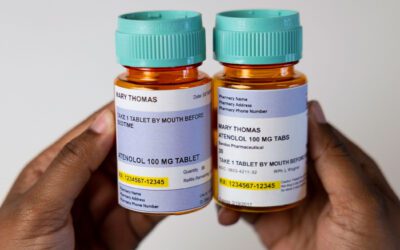
When Prescription Errors Lead to Serious Harm: Your Rights in Georgia
If you or a loved one has been harmed by a prescription error, don’t face the healthcare system alone. These cases are complex and require an attorney who understands both Georgia medical malpractice law and the intricacies of pharmaceutical care.

Georgia’s New Bifurcation Law: What Medical Malpractice Victims Need to Know
Georgia’s new bifurcation law separates liability and damages in medical malpractice trials. This blog explains what the change means for injured patients and how it may impact case outcomes.

Hospital Emergency Room Failures: When Medical Malpractice and System Breakdowns Cost a Child’s Life
The preventable death of 2-year-old Maya Getahun at Piedmont Eastside Hospital exposes how systemic hospital negligence led to a fatal outcome.

A Profile View That Cost $10,000 — How One Click Exposed a New Front in Jury Ethics
A $10,000 fine over a single LinkedIn click shows how easily juror social media research can cross ethical boundaries. Learn what this ruling means for law firms, vendors, and anyone navigating jury selection in the era of digital transparency.

AI “Hallucinations” in Legal Writing Get Headlines — But Human Case Law Errors Are Older and Overlooked
AI citation errors are making headlines, but human misuse of case law has been common for decades—and often gets a pass. This blog explores why the double standard matters.

When Squamous Cell Carcinoma is Missed: Why Early Action and Patient Transparency Matter
Squamous Cell Carcinoma is highly treatable when caught early but when doctors miss warning signs or fail to communicate critical findings, it can quickly turn life-threatening.
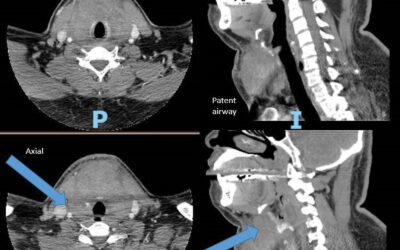
When a Neck Hematoma Becomes a Medical Emergency
A neck hematoma may seem like a simple bruise, but after surgery it can become life-threatening within minutes. Learn how to recognize the warning signs and what to do when medical providers fail to act.

Hospital Policies and Medical Malpractice: Preventing Systemic Errors in Healthcare
When hospital policies fail, systemic medical errors often follow. Explore how procedural guidelines can make or break patient safety—and how ignoring them can lead to malpractice.

What Happens When a Medical Malpractice Trial Lawyer Shadows an ER Physician?
What happens when a malpractice lawyer shadows an ER doctor? A rare, behind-the-scenes look at split-second medical decisions — and where care can go wrong.

When Systems Fail: The Hidden Drivers Behind Medical Malpractice Claims
Medical malpractice isn’t always the result of one provider’s mistake. Often, it stems from deeper system failures like miscommunication, poor coordination, or lack of protocols that put patients at risk. These underlying issues contribute to malpractice claims and why true accountability must go beyond individual actions.

Key Lessons for Building a Stronger Case and Maximizing Damages
Lloyd Bell often shares lessons that transform how attorneys prepare clients for trial and build their models for maximizing damages. His most important takeaway: most plaintiffs show up to trial playing the wrong role.

What to Do After a Medical Error at Northeast Georgia Medical Center
When you seek care at Northeast Georgia Medical Center, you expect safe, professional treatment. But medical errors can happen—even in trusted hospitals. If you or a loved one has suffered due to a preventable mistake, you’re not alone—and you may have legal options.